
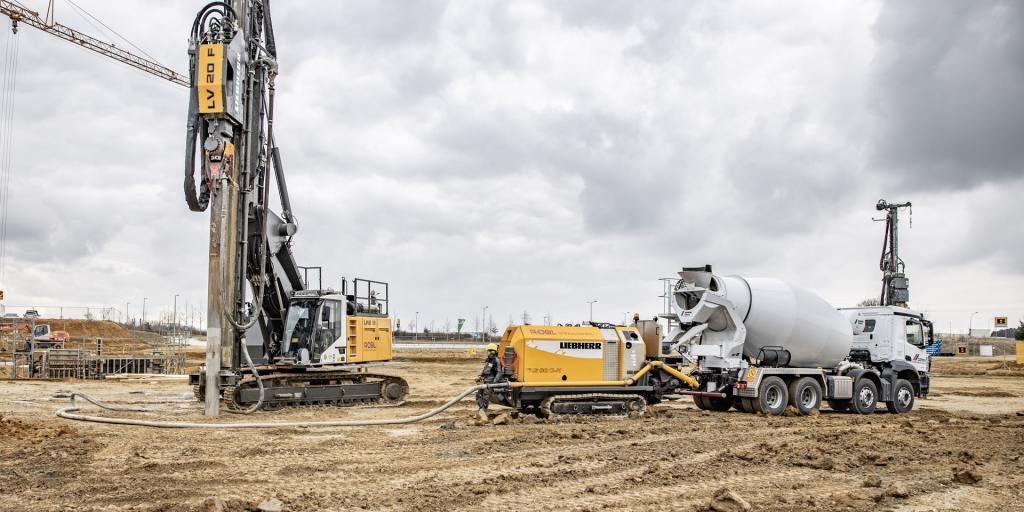
Bored Piling Under Fluid Method: An In-Depth Overview
Bored piling, an essential part of foundation construction, is used to create deep, strong foundations for buildings, bridges, and other structures. The technique involves drilling large holes into the ground to insert concrete piles that can support heavy loads. The bored piling under fluid method is a specific approach that involves the use of fluid to aid in the piling process, providing significant benefits over traditional methods, especially in challenging soil conditions.
In this article, we will explore the bored piling under fluid method in detail, examining its process, advantages, applications, and challenges.
Understanding Bored Piling
Before diving into the specifics of the bored piling under fluid method, it’s essential to understand what bored piling is. Bored piles, also known as drilled shafts or caissons, are deep foundation elements created by drilling a hole into the ground and then filling it with concrete. The process involves drilling equipment, which may include rotary drills or augers, to bore a hole down to the required depth.
Once the hole is drilled, it is reinforced with steel reinforcement bars (rebar) for added strength. The hole is then filled with concrete, creating a pile that serves as the foundation. The size and depth of the bored pile depend on the load it must support and the soil conditions.
The Bored Piling Under Fluid Method
The bored piling under fluid method involves drilling the pile hole under the protection of a fluid. This method is particularly useful when dealing with loose, water-saturated, or unstable soils. The fluid used typically consists of a bentonite slurry, which is a mixture of clay and water, although other types of fluid can also be employed.
The fluid serves several key functions during the bored piling process:
- Preventing Hole Collapse: In soft or unstable soil conditions, drilling a hole without any form of support can lead to the collapse of the sides of the hole. The fluid maintains the stability of the hole by exerting pressure against the surrounding soil, preventing it from caving in.
- Cleaning the Hole: During drilling, debris and cuttings are generated, which can obstruct the process if not removed. The fluid helps to wash away the cuttings, keeping the hole clear and allowing the drill to continue working efficiently.
- Controlling Groundwater Infiltration: In areas with high groundwater tables or when drilling through water-saturated soils, the fluid helps control the ingress of water into the hole. This ensures that the pile can be constructed without water contamination, which can affect the quality of the concrete.
- Providing Lubrication: The fluid also provides lubrication for the drill bit, reducing wear and tear on the drilling equipment and making the process smoother and more efficient.
Process of Bored Piling Under Fluid Method
The process of bored piling under fluid can be broken down into several distinct steps:
- Site Preparation: Before drilling, the construction site is prepared, and the location of each pile is marked. The soil conditions are also assessed to determine the appropriate type of fluid and drilling technique.
- Drilling the Borehole: A rotary drill or auger is used to drill the hole to the desired depth. The drilling is done under the fluid, which is continually circulated into the hole to stabilize the soil and clear out the debris. The fluid pressure is carefully monitored to ensure the hole does not collapse.
- Fluid Circulation and Monitoring: As drilling continues, the fluid is pumped into the borehole and circulated. The pressure of the fluid is maintained to prevent soil collapse and wash out the cuttings. The properties of the fluid, such as its viscosity, are monitored to ensure optimal performance throughout the drilling process.
- Reinforcement Installation: Once the hole reaches the required depth, a reinforcement cage made of steel rebar is lowered into the hole. The cage is placed precisely in the center to ensure the proper strength of the pile. The rebar provides structural integrity and helps distribute the load more effectively.
- Concrete Pouring: After the reinforcement is in place, the fluid is either replaced or displaced by concrete. The concrete is poured into the hole, filling it completely around the reinforcement cage. In some cases, the concrete is poured using a tremie pipe, which extends to the bottom of the hole to avoid mixing with the fluid.
- Curing and Setting: Once the concrete has been poured, it is allowed to cure and harden. The curing time will depend on the type of concrete used and environmental conditions. After curing, the fluid is typically removed, and the pile is ready for use.
Advantages of the Bored Piling Under Fluid Method
The bored piling under fluid method offers several advantages over traditional piling methods, especially in challenging conditions. Some of the key benefits include:
- Stability in Unstable Soils: One of the primary advantages of this method is its ability to stabilize the hole during drilling in loose or unstable soils. The fluid helps maintain the integrity of the borehole, allowing for deeper and more reliable piles.
- Efficiency in Wet or Saturated Ground: The fluid helps to manage groundwater infiltration, making the method particularly useful in areas where groundwater levels are high or in waterlogged conditions. This ensures that the construction process is not hindered by water seepage, which can delay or complicate traditional piling methods.
- Improved Safety: The fluid provides a safer environment for the workers by reducing the risk of hole collapse and debris falling into the borehole. This reduces the chances of accidents or injuries on-site.
- Better Concrete Quality: The fluid helps to prevent contamination from surrounding soil or water, which can compromise the quality of the concrete. By providing a stable environment for the pouring process, the fluid ensures that the concrete sets properly and achieves the necessary strength.
- Reduced Environmental Impact: Since the fluid helps to control the excavation process and minimize spillage, the bored piling under fluid method can be less disruptive to the surrounding environment compared to other piling methods.
Challenges and Considerations
Despite its numerous advantages, the bored piling under fluid method does come with some challenges that must be considered:
- Cost: The use of fluids, especially bentonite slurry, adds additional costs to the project. The fluid needs to be continuously circulated, and proper disposal after the process may also require additional resources. These costs can make the method more expensive than traditional piling techniques.
- Fluid Disposal and Environmental Concerns: The disposal of the fluid after the piling process can raise environmental concerns. Depending on the type of fluid used, special disposal methods may be required to ensure that it does not harm the surrounding environment.
- Equipment and Expertise: The process requires specialized equipment, such as rotary drills and fluid circulation systems, as well as skilled personnel to manage the operation. This means that not all construction teams may be equipped to perform this method.
Machinery
Here’s a list of machinery typically used in the bored piling under fluid method, along with brief descriptions of each. For the images, you can either use web searches or access an image database to find visuals of these machines. Below, I’ll outline the key types of equipment used:
1. Rotary Drilling Rig
A rotary drilling rig is the primary machine used for the bored piling process. It is capable of drilling deep holes into the ground to create the Mbore for the pile.
- Description: The rotary drill is equipped with a rotating drill bit or auger, which bores into the ground. The rig is often mounted on a crawler chassis for mobility.
- Use in Bored Piling Under Fluid: The rotary rig drills the pile hole while fluid is continuously circulated to stabilize the hole and clear out cuttings. The fluid ensures the stability of the borehole in unstable or water-saturated soil conditions.
Example Photo of a Rotary Drilling Rig: You can search for images of “Rotary Drilling Rig” online or on construction equipment websites for visuals.
2. Fluid Circulation System (Bentonite Mixing and Pumping Equipment)
This system ensures that the fluid (usually bentonite slurry) is continuously circulated into the borehole during the drilling process.
- Description: The system includes pumps, tanks, and mixing equipment that prepare and deliver the bentonite slurry. The fluid is pumped down into the borehole to prevent collapse, remove cuttings, and control water infiltration.
- Use in Bored Piling Under Fluid: It keeps the fluid at the correct viscosity and pressure, ensuring optimal conditions for the drilling process.
Example Photo of Fluid Circulation System: Search for “Bentonite Pumping System for Drilling” or “Fluid Circulation System for Drilled Piles.”
3. Reinforcement Cage
While not a machine in the traditional sense, the reinforcement cage is an essential part of the bored piling process.
- Description: This is a structure made of steel bars (rebar) that is lowered into the borehole after the hole is drilled to the required depth.
- Use in Bored Piling Under Fluid: After drilling, the cage provides reinforcement for the concrete that will fill the hole, ensuring the pile can support the required load.
Example Photo of Reinforcement Cage: Search for “Reinforcement Cage for Bored Piles” to see visual examples.
4. Concrete Pump
After the pile is drilled and the reinforcement cage is in place, concrete needs to be poured into the hole.
- Description: A concrete pump is used to pump the ready-mix concrete into the borehole. It can use a tremie pipe to ensure the concrete is placed properly, especially when the borehole is submerged in fluid.
- Use in Bored Piling Under Fluid: The pump transports the concrete from the mixing truck to the bottom of the pile hole. The concrete is poured while displacing the drilling fluid to create a solid pile.
Example Photo of Concrete Pump: Search for “Concrete Pump for Piling” or “Tremie Concrete Pump.”
5. Rotary Auger
A rotary auger is often used in combination with a drilling rig to bore the hole for a bored pile.
- Description: The auger is a large, helical drill bit that is rotated into the ground. The auger is typically used for shallower and smaller diameter piles, although it can be used in combination with a drilling rig for deeper piles.
- Use in Bored Piling Under Fluid: In the case of loose or unstable soils, the auger helps bore through the material while the fluid is pumped to prevent the hole from collapsing.
Example Photo of a Rotary Auger: Search for “Rotary Auger for Bored Piles” for a visual reference.
6. Crane or Pile Rig
In many cases, cranes or specialized pile rigs are used to lower and position the reinforcement cage into the drilled borehole.
- Description: The crane or pile rig is equipped with a hook and winch system for lifting and positioning heavy components, such as the reinforcement cage, into place.
- Use in Bored Piling Under Fluid: Once the drilling and fluid pumping are complete, the crane is used to lower the reinforcement cage into the hole, ensuring it is centered before the concrete is poured.
Example Photo of Crane or Pile Rig: Search for “Pile Rig for Drilled Foundations” or “Crane Lowering Reinforcement Cage.”
7. Tremie Pipe (for Concrete Placement)
A tremie pipe is essential for placing concrete in a deep borehole, especially when it is filled with fluid.
- Description: The tremie is a vertical pipe that is used to pour concrete into the pile without mixing it with the drilling fluid.
- Use in Bored Piling Under Fluid: The tremie pipe is lowered to the bottom of the hole, and concrete is poured through it, displacing the fluid and ensuring that the concrete does not mix with the bentonite slurry.
Example Photo of Tremie Pipe: Search for “Tremie Pipe for Concrete Pouring” for images related to this equipment.
Conclusion
The bored piling under fluid method is a highly effective and versatile technique that offers numerous advantages, particularly when dealing with challenging soil conditions. By providing stability, preventing hole collapse, and managing groundwater, this method enables the construction of deep foundations in environments where other techniques might struggle.
However, like any method, it comes with its own set of challenges, including higher costs and the need for specialized equipment and expertise. Despite these considerations, the bored piling under fluid method remains a valuable tool for foundation engineers, offering a solution that combines safety, efficiency, and reliability in the construction of deep foundations.
The machines and equipment play a crucial role in ensuring the success of the bored piling under fluid method. The rotary drilling rig, fluid circulation system, reinforcement cage, concrete pump, and other related equipment work together to ensure that the pile is safely and effectively constructed, even in challenging soil conditions.
To find images of the equipment mentioned above, you can search terms like “Rotary Drilling Rig,” “Bentonite Fluid System for Drilling,” “Reinforcement Cage for Bored Pile,” and “Concrete Tremie Pipe” on image search engines or construction equipment websites like Caterpillar, Liebherr, or Volvo Construction Equipment.
If you’re looking for specific images to use, you can visit sites such as:
- Google Images: Searching for the machinery names directly.
- Shutterstock or iStock: For high-quality, professional images.
- Construction Equipment Websites: Such as Caterpillar, Liebherr, or others, where they often have galleries of their machines in action.


 Civil Insight
Leave a comment