

1. Introduction
Bridges are complex structural systems designed to safely transfer loads from the superstructure—such as girders, decks, and traffic—into the substructure and ultimately into the foundation and ground. One of the most critical yet often overlooked components in this load transfer system is the bridge bearing pedestal. Bearing pedestals play a vital role in ensuring structural integrity, durability, serviceability, and long-term performance of bridges.
A bridge bearing pedestal is a localized structural element provided at the top of bridge substructures such as piers, abutments, or pile caps. Its primary function is to support bridge bearings and facilitate the controlled transfer of loads from the superstructure to the substructure while accommodating movements due to temperature changes, creep, shrinkage, seismic effects, and traffic loads.
Despite their relatively small size compared to major bridge components, bearing pedestals are critical because any failure or deterioration in these elements can compromise the performance of bearings and, in severe cases, lead to structural distress or bridge closure. This article provides an in-depth discussion of bridge bearing pedestals, covering their function, design considerations, materials, construction practices, failure mechanisms, and maintenance requirements.
2. Role and Function of Bridge Bearing Pedestals
2.1 Load Transfer Mechanism
Bridge bearing pedestals act as the immediate interface between bridge bearings and the supporting substructure. Loads transferred through the pedestal include: Dead loads from the superstructure, live loads from traffic, impact and braking forces, wind loads, and seismic forces.
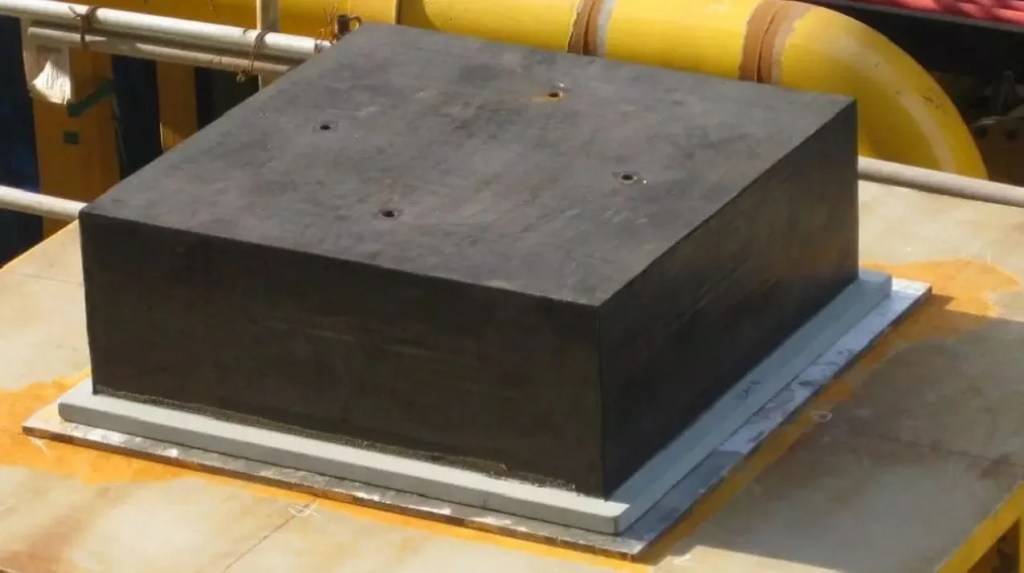
These loads are transmitted from the bearing to the pedestal and then distributed into the pier or abutment in a controlled manner, minimizing stress concentrations.
2.2 Alignment and Elevation Control
Bearing pedestals provide precise elevation and alignment for bridge bearings. Proper bearing seating is critical to ensure that bearings function as designed, allowing rotation and translation where required. Any misalignment at the pedestal level can cause uneven bearing stresses and premature bearing failure.
2.3 Protection of Substructure
Pedestals protect the main substructure from localized stresses and damage. By acting as a sacrificial or replaceable component, they reduce the need for extensive repairs to piers or abutments when bearings are replaced or adjusted.
3. Types of Bridge Bearing Pedestals
3.1 Reinforced Concrete Pedestals
Reinforced concrete (RC) pedestals are the most common type used in bridge construction. They are cast either monolithically with the pier cap or as separate elements.
Advantages are high compressive strength, Good durability, compatibility with concrete substructures and cost effectiveness. Disadvantages are however, they are susceptible to cracks and requires careful curing during construction.
3.2 Steel Pedestals
Steel pedestals are typically used in special cases such as steel bridges, temporary works, or retrofit applications. This system has high strength to weight ratio and ease of replacement and may be susceptible to corrosion.
3.3 Composite Pedestals
Composite pedestals combine materials such as steel plates encased in concrete or fiber-reinforced polymer (FRP) systems.
4. Design Considerations for Bridge Bearing Pedestals
4.1 Load Analysis
Pedestals must be designed to withstand:
Vertical loads (dead and live loads)
Horizontal loads (braking, wind, seismic)
Bearing reactions, including eccentric loads
Uplift forces in seismic or wind conditions
Load combinations are typically governed by design codes such as AASHTO LRFD, Eurocode, or AS standards.
4.2 Stress Distribution and Bearing Pressure
The pedestal must distribute bearing pressure uniformly to prevent localized crushing of concrete. Designers often check:
-Allowable concrete bearing stress
-concentration under bearing edges
-Punching shear capacity
4.3 Reinforcement Detailing
Proper reinforcement detailing is critical to control cracking and resist tensile stresses. Typical reinforcement includes:
-Vertical reinforcement to resist splitting forces
-Horizontal reinforcement to control cracking
-Anchorage reinforcement into the pier cap
5. Materials Used in Bearing Pedestals
5.1 Concrete
Concrete used in bearing pedestals typically has higher strength and durability requirements compared to general structural concrete.
Key properties include:
-High compressive strength (often ≥40 MPa)
-Low permeability
-Resistance to freeze-thaw cycles
-Sulfate and chloride resistance
5.2 Reinforcing Steel
Reinforcement must comply with relevant standards and provide adequate ductility and corrosion resistance. Epoxy-coated or stainless steel reinforcement is often used in aggressive environments.
5.3 Grout and Mortar
Non-shrink grout is commonly used between the bearing and pedestal to ensure full contact and proper load transfer. ADD MORE DETAILS
6. Construction Practices
6.1 Formwork and Casting
Accurate formwork is essential to achieve correct pedestal dimensions and bearing alignment. Construction tolerances are typically tight, often within a few millimeters.
6.2 Surface Preparation
The top surface of the pedestal must be smooth, level, and free of laitance. Surface roughening may be required to enhance bond with grout.
6.3 Bearing Installation
Bearings are installed after pedestal curing and strength verification. Proper leveling, alignment, and grouting are critical steps.
7. Sustainability and Future Trends
Modern bridge design increasingly emphasizes sustainability and life-cycle performance. Future trends in bearing pedestal design include:
Use of high-performance concrete (HPC)
Incorporation of corrosion-resistant materials
Modular and replaceable pedestal systems
Digital monitoring and smart sensors
These innovations aim to reduce maintenance costs and extend service life.
8. Conclusion
Bridge bearing pedestals are essential structural elements that ensure effective load transfer, proper bearing function, and long-term bridge performance. Although often small in size, their role is critical, and failures can have serious consequences. Proper design, material selection, construction practices, and maintenance are essential to ensure their durability and functionality.
As bridge infrastructure continues to age and face increasing demands, greater attention must be given to bearing pedestals as part of holistic bridge management strategies. Through improved design standards, advanced materials, and proactive maintenance, the performance and resilience of bridge bearing pedestals can be significantly enhanced.
Here are top suppliers and manufacturers of bridge bearing pedestals and structural bridge bearings — the critical components that support and transfer loads from bridge superstructures to substructures. Many of these companies supply bearings, pedestal seating systems, and related structural movement components used worldwide in major bridge projects.
—
🌍 Global Leaders in Bridge Bearings & Bearing Pedestals
1. mageba
Swiss-based manufacturer with a strong global footprint. Recognized for high-performance bridge bearings (pot, spherical, elastomeric), expansion joints, and structural monitoring systems — often integrated with concrete pedestals. Mageba bearings have been used on thousands of bridges internationally.
—
2. VSL International Ltd.
A major global engineering group providing customized bridge bearing solutions including elastomeric, pot and spherical bearings. VSL offers full services from design and manufacturing through installation — well suited for complex bridge bearing pedestal applications.
—
3. Trelleborg AB
Swedish engineered polymer solutions leader with a large share of the structural bearings market, including elastomeric and PTFE-based bridge bearings used in many bridge pedestal systems.
—
4. Freyssinet (Part of Soletanche Freyssinet)
UK/France-based group known for advanced bridge bearings and integrated structural solutions including seismic isolation and movement accommodation systems.
—
5. Granor Rubber & Engineering Pty Ltd
Australian manufacturer specializing in structural and elastomeric bearings including high-capacity pot type bearings, spherical bearings, guided slide bearings and custom designs compliant with AS 5100 and other standards. Ideal for projects in Australia and Asia Pacific.
—
6. R.J. Watson, Inc.
U.S. provider of bridge bearings and accessories often specified in North American infrastructure projects (including pedestal seating and bearing pads). Known among engineers for high quality standard and specialty bearings. . Brown Company**
U.S. infrastructure solutions company with a broad product portfolio including bridge bearings, expansion joints, and seismic movement devices — often used with bearing pedestal systems in highway and rail bridges.
—
Additional Notable Manufacturers
These companies may not be as universally recognized as the global leaders above but supply bridge bearings used on pedestal interfaces in specific markets or project types:
• Maurer SE — German manufacturer of high-performance bearings and seismic bearings used in critical structure applications.
• CCL (UK) — Supplier of engineered bearings and movement control systems used in bridges.
• Hercules Structural Systems (Australia) — Australian supplier of spherical and other bearings for bridges and structures.
• BridgeBearings.net / Aohong Engineering (China) — Producer and global supplier of elastomeric, pot, and seismic bearings.
• Other regional/industrial brands — Local manufacturers in China, India, and Southeast Asia producing structural bearings, rubber pads, and pedestal interface components (e.g., Seismoflex in India).




 Civil Insight
Leave a comment